Many might not immediately connect the grace of ballet with the intensity of ice hockey, yet the precision and balance integral to both activities highlight a notable intersection.
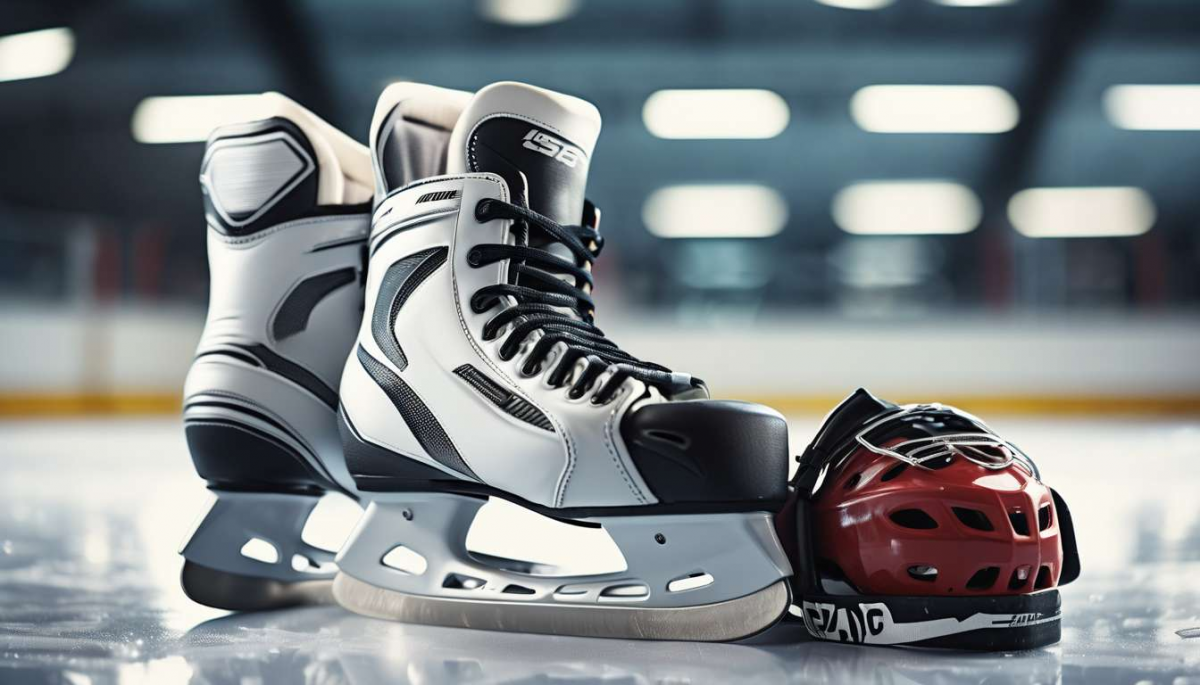
Ice hockey, a sport characterized by its speed and intensity, requires athletes to maneuver with the grace of dancers while maintaining robustness and resilience. This unexpected similarity underscores the importance of specialized equipment in enhancing performance and ensuring player safety.
High-quality gear is essential, ranging from:
- Skates that offer agility similar to ballet shoes
- Protective padding that enables fearless engagement akin to the toughness of performance art costumes
Understanding the nuances of each piece of equipment—such as:
- Sticks designed for optimal control
- Helmets tailored for impact resistance
can significantly influence an athlete’s capability and confidence on ice.
The gear not only facilitates the technical demands of the game but also mirrors the attention to detail found in disciplines traditionally associated with artistic expression.
Here you will find what you need to seamlessly blend artistry with athleticism, ensuring both safety and performance on the ice.
Skates: Enhancing Agility and Precision
A well-designed pair of skates significantly boosts a player’s agility and precision on the ice. Skates serve as the foundation for an ice hockey player’s performance, enabling swift movements and sharp turns. They are meticulously engineered to provide optimal support and balance while maintaining speed and control, which are essential for executing complex maneuvers.
Key features of skates include:
- Blade construction tailored to enhance stability and responsiveness.
- Boot design that supports balance and allows for confident navigation of the rink.
In conjunction with skates, protective padding and sticks constitute the core components of a player’s equipment, each playing a vital role in enhancing performance.
- Skates and protective padding facilitate safe and agile movements.
- The stick is crucial for handling and shooting the puck with accuracy.
This combination of equipment creates a cohesive system that supports the dynamic nature of ice hockey. As players strive for excellence, these elements ensure that they remain agile, precise, and ready to face the challenges of the game.
Protective Padding: Ensuring Safety and Endurance
In ice hockey, players rely on a comprehensive set of protective gear to minimize injury risk and maintain endurance throughout the game. Essential components of this gear include:
- Skates: Provide speed and agility.
- Protective Padding: Ensures safety during intense physical contact.
Protective padding encompasses several elements, such as:
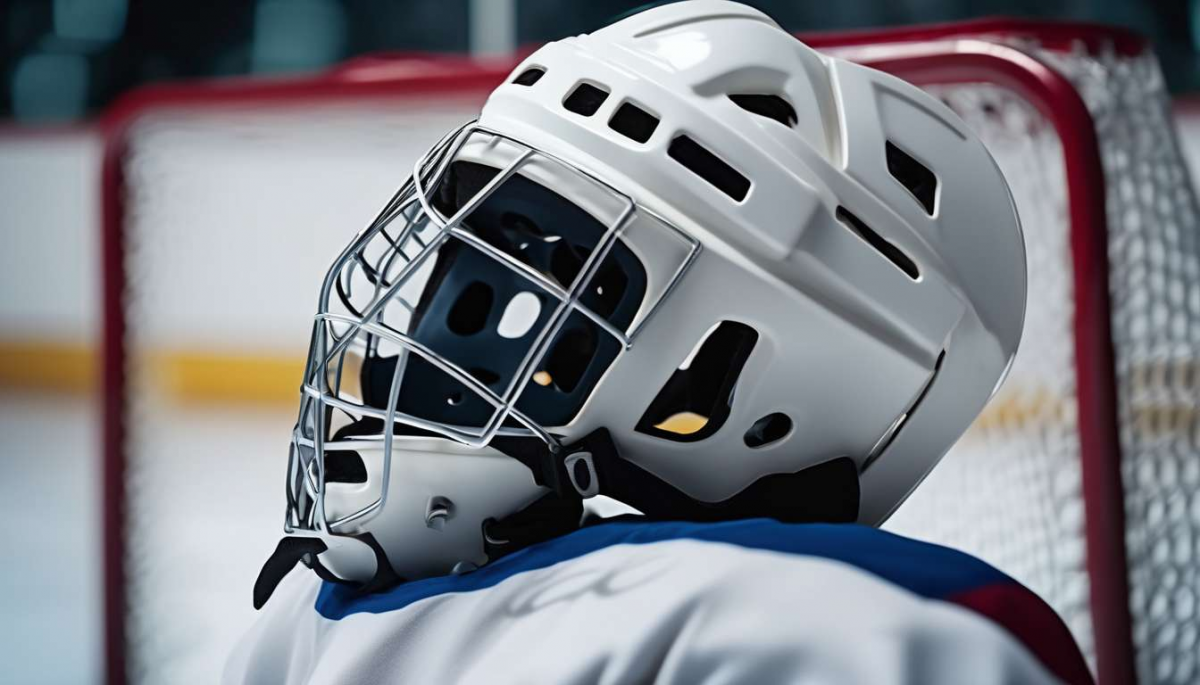
- Helmets: Often with full-face cages to protect the head and face.
- Shoulder Pads: Cushion the upper body against checks.
- Elbow Pads: Shield the arms.
- Shin Guards: Defend against stick and puck impacts.
These components collectively safeguard players from high-impact collisions and puck strikes, allowing them to focus on their performance.
Hockey sticks, integral to the sport, necessitate protective gear to prevent injury when maneuvering in tight spaces. Properly fitted equipment enhances a sense of unity among players, fostering a secure environment where team members can confidently engage in the game.
This setup demonstrates resilience and camaraderie on the ice, allowing players to perform at their best.
Sticks: Optimizing Control and Maneuverability
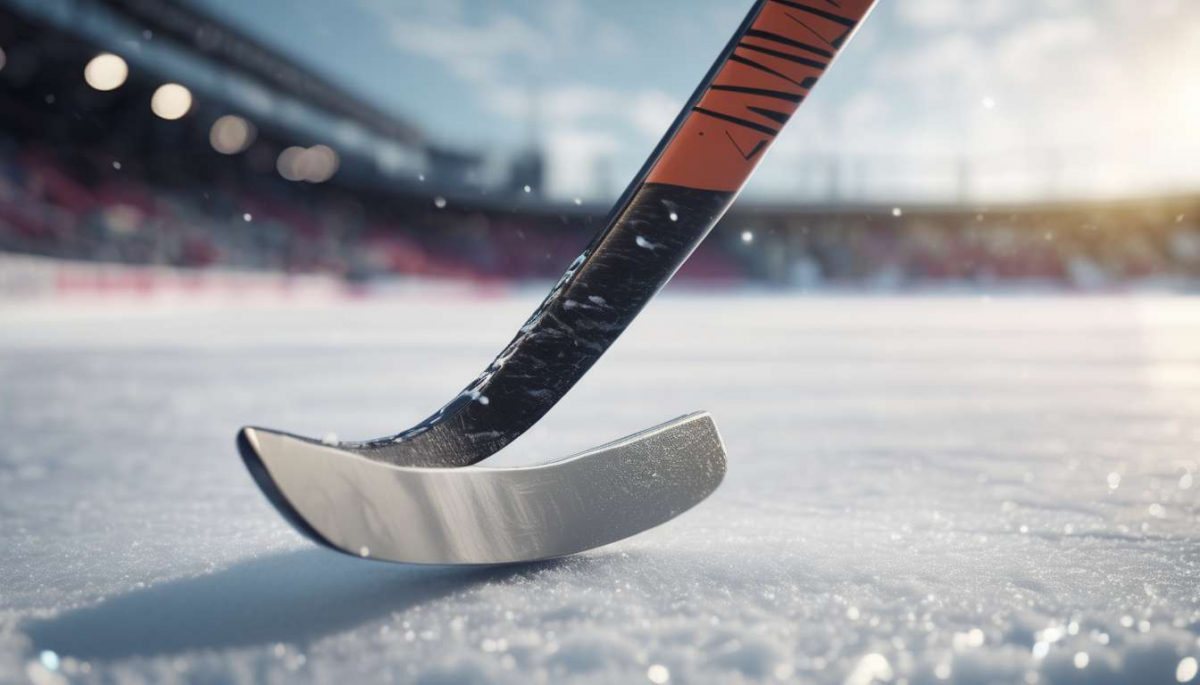
In ice hockey, selecting the right stick is crucial for optimizing control and maneuverability on the ice. A well-chosen stick enhances a player’s ability to handle the puck efficiently and execute precise movements.
Balance Between Flexibility and Stiffness:
- Determines the quality of shots and passes.
Length and Curve:
- Play significant roles in ensuring effective puck handling.
In addition to skates, which offer the necessary speed and agility, and protective padding, which ensures safety, the stick is an essential component of a player’s equipment.
Materials Used in Sticks:
- Wood
- Fiberglass
- Composite
Composite sticks are particularly popular for their lightweight and responsive nature, allowing players to react swiftly during gameplay.
Choosing the Appropriate Stick:
- Consider the player’s position.
- Evaluate the style of play.
- Factor in personal preferences.
This careful selection ensures that each player can seamlessly integrate into the team, enhancing both individual performance and team cohesion on the ice.
Helmets: Prioritizing Impact Protection
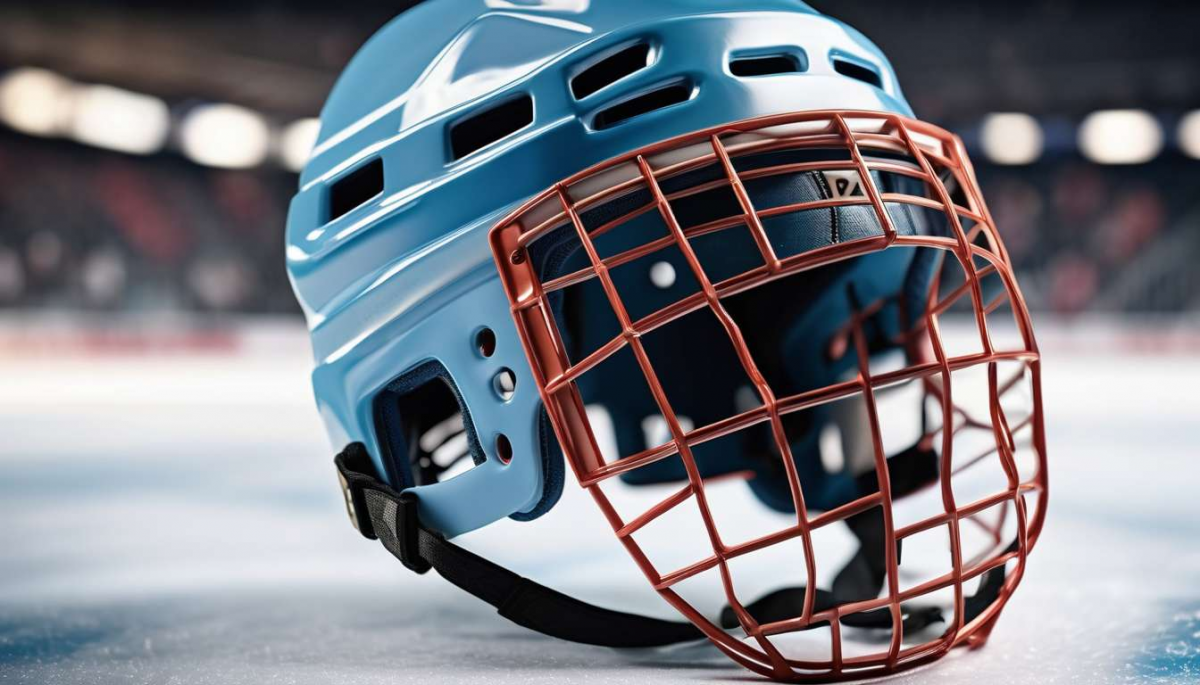
In ice hockey, helmets are essential for reducing the risk of head injuries and ensuring player safety on the ice.
Helmets, designed with advanced materials and technology, provide critical impact protection. This equipment, alongside skates and sticks, forms the foundation of a player’s gear, emphasizing the importance of a comprehensive approach to safety.
Modern helmets are equipped with features such as:
- Multi-density foam
- Strategically placed protective padding
These features effectively absorb impact forces during collisions.
The role of helmets in ice hockey extends beyond mere protection; they symbolize a commitment to safeguarding the well-being of the team. Ensuring that helmets fit correctly and meet safety standards creates a sense of unity and responsibility among players.
While skates and sticks enhance performance on the ice, helmets offer peace of mind, allowing athletes to focus on the game. The integration of helmets into the complete set of protective gear reinforces the culture of safety essential to the sport.
Gloves: Balancing Dexterity and Defense
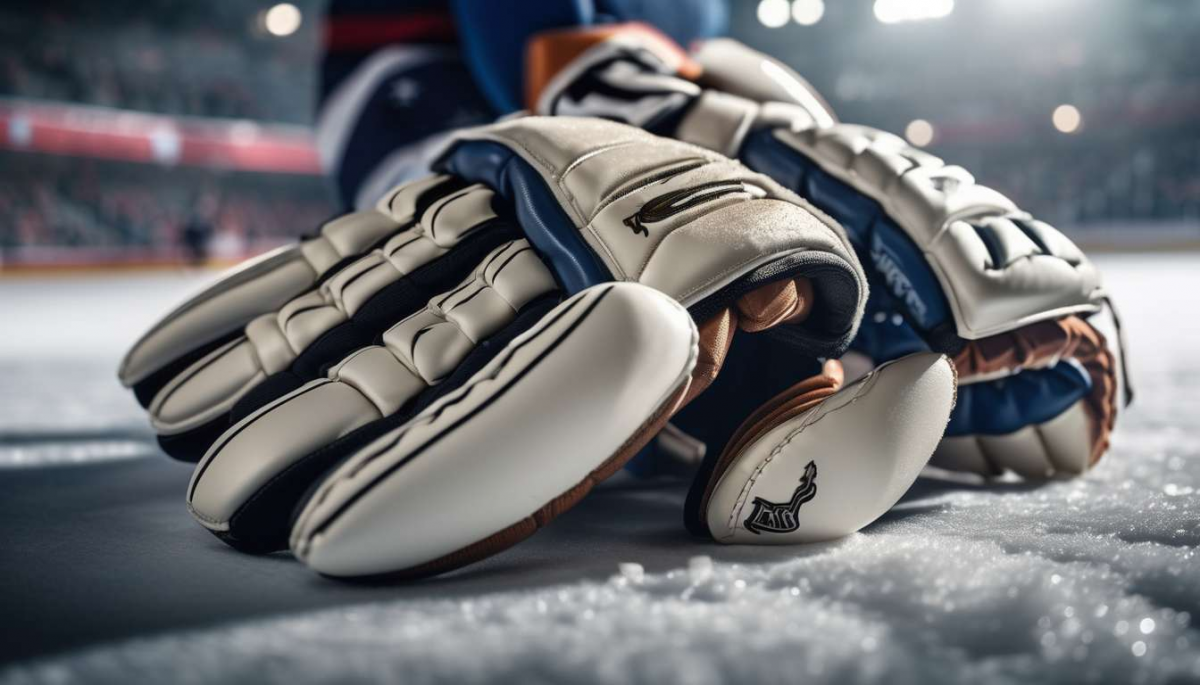
In ice hockey, gloves play a crucial role in balancing dexterity with the necessary defense against injuries. These gloves serve to protect the hands and wrists from impacts and abrasions, while allowing players to maintain a firm grip on their sticks.
The design of hockey gloves includes strategic protective padding that shields the fingers and back of the hand, essential for withstanding the fast-paced nature of the game.
A well-constructed glove ensures that players can execute precise maneuvers on the ice while maintaining a connection with the team’s rhythm and strategy. The dexterity offered by quality gloves is vital, similar to the precision required in handling skates on the ice.
As players navigate the rink, the ability to transition seamlessly between defense and offense hinges on their grip and control over their sticks. Thus, selecting gloves that balance protection and flexibility contributes significantly to a cohesive and successful team performance, fostering a strong sense of belonging among teammates.
Goalie Gear: Maximizing Coverage and Flexibility
Goalie gear in ice hockey is meticulously designed to maximize coverage and flexibility, essential for effectively blocking shots and maintaining mobility in the crease. The integration of specialized skates, protective padding, and sticks ensures goalies can perform at their best under pressure.
Goalie Skates:
- Feature a flatter blade profile.
- Provide stability and precision for lateral movements.
- Crucial for quick responses to oncoming shots.
Protective Padding:
- Includes leg pads, chest protectors, and blockers.
- Engineered to provide maximum coverage.
- Allows for flexibility needed to react swiftly.
- Made from lightweight and durable materials to ensure agility without compromising safety.
Goalie Sticks:
- Designed to suit the specific needs of goaltenders.
- Have a broader blade to assist in deflecting pucks effectively.
- Feature a shorter length for better control in the crease.
Together, these elements create a cohesive system, enabling goalies to meet the demands of the game with confidence and skill.